Best wine shop POS software: the 2026 buyer's guide
What independent and multi-store wine merchants should require for vintage cataloging, mixed-case pricing, automated invoice receiving, 2D ID checks, and integrated payments.
25 November 2026 · 9 min read
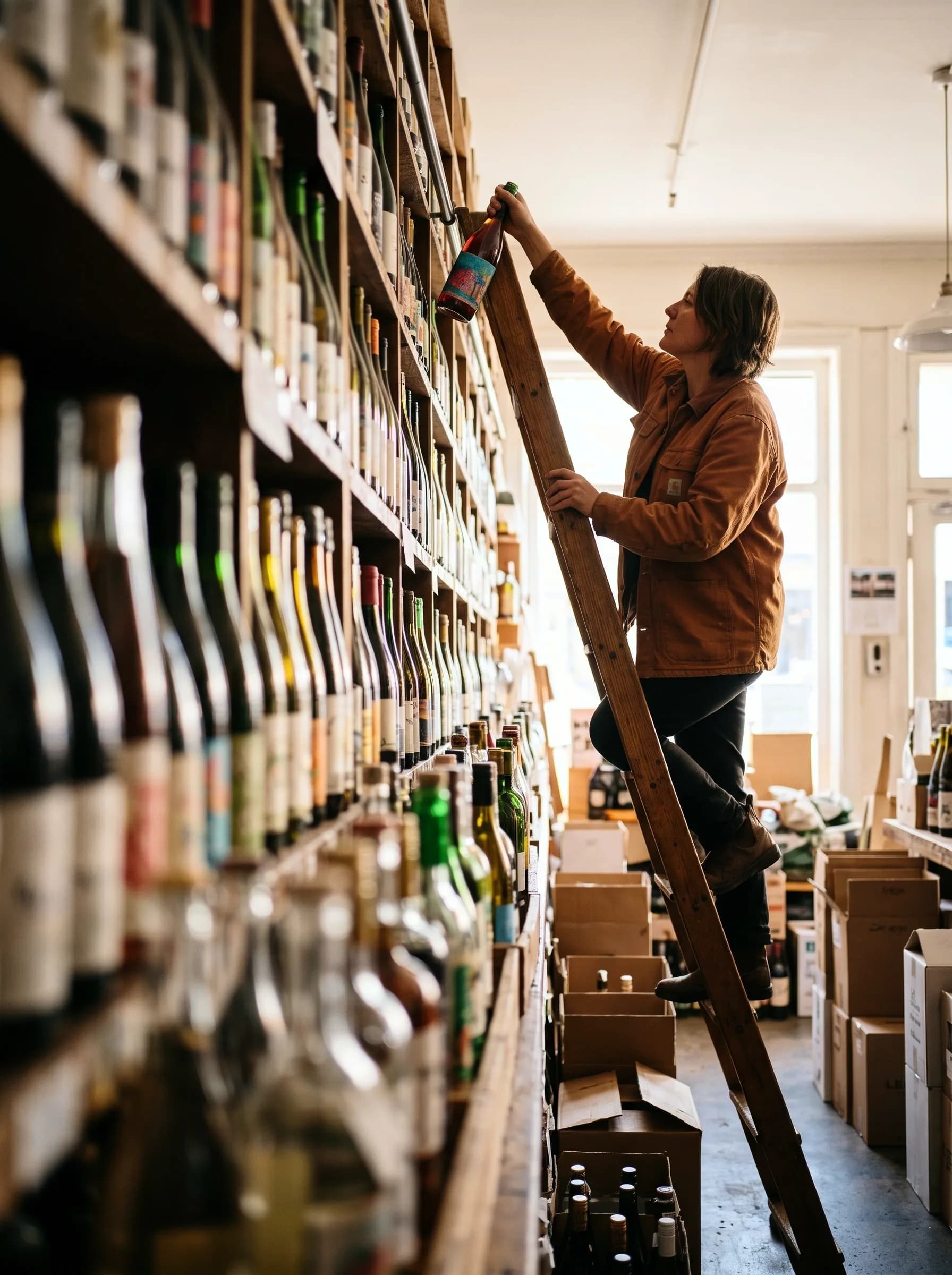
TL;DR: Independent and multi-store wine merchants outgrow generic retail registers quickly. Look for wine shop POS software that handles vintage, varietal, and producer attributes natively, calculates bottle-to-case and mixed-case discounts automatically, ingests distributor invoices without manual rekeying, scans 2D IDs at checkout, and pairs integrated low-rate payments with an open API and AI tooling.
Running a wine shop is a specialty merchandising business disguised as a retail store. Your inventory changes with every vintage rollover, distributor allocation, and seasonal tasting. When your point of sale treats a 2021 Willamette Valley Pinot Noir the same way it treats a generic t-shirt, clerks end up overriding prices by hand, stockroom counts drift from the floor, and distributor cost hikes quietly erase your margins.
This guide breaks down what to require when evaluating wine shop POS software in 2026, how dedicated alcohol retail platforms compare against legacy liquor registers and general retail POS tools, and how modern tools like Flowhub POS, Flowhub Pay, Flowhub MCP, and Max AI eliminate daily back-office busywork.
Why wine shops need purpose-built POS software
Wine retail combines complex product metadata, multi-unit pricing, strict age verification, and frequent distributor deliveries. A general boutique POS is rarely built for those workflows out of the box.
Core operational requirements for modern wine merchants include:
- Structured wine catalog attributes: Search, filter, and report by vintage, varietal, producer, appellation or region, bottle format (375 ml, 750 ml, 1.5 L magnum), and style so clerks can answer customer requests in seconds.
- Vintage rollover discipline: Keep tasting notes, reorder history, and shelf labels clean when a producer transitions from the 2022 vintage to 2023 without muddying your cost-of-goods reporting.
- Floor and cellar room tracking: Separate cold-box bottles, main floor facings, temperature-controlled cellar stock, and backroom cases so staff know exactly where every bottle sits.
- Multi-store visibility: For wine shops and liquor stores operating more than one storefront, central catalog management and cross-store transfers keep pricing and allocations aligned without duplicating data entry.
Bottle-to-case and mixed-case discount math
Case pricing is one of the highest-margin levers in wine retail, yet it is also where generic POS systems break down most often.
When a customer buys a 6-bottle or 12-bottle mixed case, your register should never force a cashier to pull out a calculator or manually apply line-item percentage overrides. Purpose-built wine shop POS software handles:
- Automatic case-break inventory: Receive 12-bottle cases from distributors, sell individual 750 ml bottles, half-cases, or full cases, and keep unit counts synchronized automatically.
- Mix-and-match case tiers: Configure automatic 10% off 6 bottles or 15% off 12 bottles across eligible wine categories while cleanly excluding allocated, already-discounted, or net-priced bottles.
- Stacking and margin guardrails: Prevent double discounting when a loyalty reward, seasonal staff-pick markdown, and mixed-case promo overlap in the same cart.
Automated distributor invoice receiving and margin protection
Wine shops deal with dozens of regional wholesalers, importers, and local wineries, each sending multi-page paper or PDF invoices with shifting front-line prices, quantity-discount deals, and delivery surcharges.
Manually keying every bottle, SKU, and unit cost into a back-office spreadsheet costs hours every week and invites typos. Modern inventory workflows replace manual entry with automated invoice ingestion:
- AI-assisted invoice capture: Snap or upload a distributor invoice to pull vendor names, item codes, bottle quantities, and unit costs directly into receiving.
- Cost-change margin alerts: Flag when a wholesaler raises bottle cost so buyers can adjust shelf prices immediately rather than discovering a compressed margin at the end of the quarter.
- PAR levels and reorder drafts: Track velocity by SKU and seasonal period so fast-moving house pours never run dry before a holiday weekend.
2D barcode ID age verification at the register
Compliance starts at the counter. Selling alcohol to an underage shopper puts your liquor license, insurance, and business at risk.
With integrated 2D barcode ID scanning built directly into Flowhub Point of Sale, cashiers scan the PDF417 barcode on the back of a driver's license or state ID in one motion. The POS automatically validates minimum legal drinking age, catches expired credentials, prompts clerks only when age-restricted items are in the cart, and logs every verification timestamp without slowing down a Friday evening line.
VIP tasting notes, wine clubs, and repeat regular loyalty
Independent wine shops win on curation and hospitality. Remembering that a regular prefers dry Loire Valley Chenin Blanc under $35 or hosts monthly dinner parties turns occasional browsers into high-lifetime-value customers.
Integrated customer profiles and loyalty tools let your team:
- Capture preferences and tasting notes: Surface past bottle purchases, preferred varietals, and staff notes right on the register screen during checkout.
- Reward repeat visits automatically: Run points-based loyalty, digital wallet passes, and VIP member perks without handing customers punch cards they will lose.
- Drive event and seasonal traffic: Use targeted marketing campaigns to announce new allocations, winemaker tastings, and holiday case drives to the exact buyers who purchase those styles.
Low-rate integrated payments with zero extra hardware fees
Payment processing fees are one of the largest controllable expenses in alcohol retail. Many legacy liquor POS systems lock merchants into expensive proprietary terminals or charge monthly gateway markups on top of card processing.
Flowhub Pay gives wine and spirits retailers integrated credit and debit processing directly on the customer-facing display with competitive rates and zero extra terminal hardware fees. Every transaction reconciles automatically with your POS shift close, eliminating manual terminal-to-register rekeying and end-of-night discrepancies.
Open API, Flowhub MCP, and Max AI for wine retailers
Your POS should never hold your store data hostage. Flowhub pairs an open API with Flowhub MCP and Max AI so wine shop owners can move from static spreadsheets to instant answers and automated back-office workflows:
- Ask natural-language store questions: Connect compatible AI assistants via Flowhub MCP or ask Max AI which varietals grew gross margin last month, which distributor invoices drove cost increases, or which SKUs have over 90 days of stock on hand.
- Prepare actions with human approval: Draft promotional rules, morning sales digests, or reorder quantities automatically while keeping existing role permissions and requiring explicit approval before any write action runs.
- Connect your broader stack: Sync accounting, custom ecommerce storefronts, and external BI tools through open APIs without enterprise gatekeeping fees.
How wine shop POS options compare
| Evaluation criterion | Flowhub for wine shops | Legacy liquor register | Generic retail POS |
|---|---|---|---|
| Vintage, varietal & producer cataloging | Native custom attributes & fast search | Basic text fields, clunky search | Built for size/color apparel matrices |
| Bottle-to-case & mixed-case discounts | Automated case-break & rule exclusions | Supported, often requires complex setup | Manual workarounds or paid plugins |
| Distributor invoice receiving | AI invoice capture & cost-change alerts | Manual EDI or line-by-line keying | Manual CSV uploads or manual entry |
| 2D barcode ID age verification | Built-in 2D scan with audit log | Often requires add-on hardware module | Basic manual birthdate prompt |
| Integrated credit & debit processing | Flowhub Pay, low rates, zero extra terminal fees | Often tied to legacy gateways & terminal leases | Fixed flat rates or third-party surcharges |
| Open API, MCP & AI automation | Open API, Flowhub MCP & Max AI included | Closed or costly enterprise connectors | Limited API tiers, no native retail MCP |
| Hardware flexibility | Modern iPad, Mac, and Windows PCs | Proprietary, dated countertop terminals | Consumer tablets with limited regulated tools |
For a broader look at beverage retail systems, read our POS platforms guide for liquor stores, compare our KORONA POS alternative for liquor stores and Lightspeed POS alternative for specialty retail, or explore Flowhub pricing tailored to your store count.
How to evaluate wine shop POS software before you buy
Before signing a contract, test every finalist using three live scenarios from your own store:
- Run a mixed-case checkout with an excluded bottle: Add five regular wines, one allocated reserve bottle excluded from case discounts, and scan a driver's license to verify speed and accuracy.
- Receive a real distributor invoice: Time how long it takes to ingest a 25-line wholesaler invoice, flag a $1.50 wholesale price hike, and print updated shelf tags.
- Pull a margin and inventory turn report: Check how quickly you can spot slow-moving vintages by producer or region without exporting three CSV files.
Choosing a platform built for specialty beverage retail protects your margins, speeds up every weekend rush, and scales smoothly as you add online ordering or a second location.

Kyle Sherman founded Flowhub in 2015 to give entrepreneurs more freedom to build the businesses they imagine. After a decade of solving the hardest problems in regulated retail, he leads Flowhub across cannabis, alcohol, and specialty retail.
Frequently asked questions
Sell freely. Scale fearlessly.
Free yourself from busywork. Flowhub's agents handle the routine, so your team can focus on customers.